External Tech Noir
Pressure moves outward.
Impact, density, and bodily movement make the hidden system physical. The archival image is cut, compressed, and driven by rhythm, while the figure keeps returning through the fragments.

Cam Lasky · Reconstruction Method
FSS
Destroy the image.
Do not allow it to forget.
Fragments Shift System is a sound-driven method for reconstructing photographic and archival memory.
Developed by Cam Lasky, FSS does not process images decoratively. Through sound, body, movement, and time, it fractures the memory structure of the image itself. Photographs and footage are broken down into time, frequency, motion, and contour, then rearranged as fragments belonging to different moments.
The photograph is not an illustration. The photograph is a body. Sound does not decorate it; sound changes the conditions under which the image can continue to exist.
Origin
The method was named on 5 August 2026, during the production of ANGEL DOWN: ELAN, Sonic Architecture Installation No. 2, while working with archival war footage. The question was never how to make that footage look striking. It was how to let sound break the way the footage remembers.
From the beginning, FSS was bound to the core of ANGEL DOWN: physis, the far north of ferocity, and an aesthetics of destruction. It was developed in dialogue with ECHO, and continues in later works with DIVER300.
Incomplete Forgetting
In FSS, the source is cut apart and sunk into black and steel. Yet the bodies of soldiers, a helmet, the direction of a march, return faintly and at irregular intervals.
This is not abstraction placed over a figurative background. It is abstraction that fails to erase figuration completely. That failure is the decisive difference between FSS and glitch.
For this reason the source is never fully removed. The figure returns just enough for the viewer to sense that something was there. Because something returns, the black fragments are no longer ornament but concealment, and red is no longer a colour but a wound.
After Birkenau
In Gerhard Richter's Birkenau cycle, the photograph is neither simply presented nor simply erased. It is carried into painting, then covered, scraped, and dragged until the image can no longer be seen. Yet the fact that the image once existed does not disappear.
FSS works within a similar tension, but by different means. Richter's gesture drags physical layers of paint across the photograph and renders it invisible: invisibility through overpainting. FSS decomposes the image into time, frequency, motion, and contour, and reassembles it as fragments of different moments: incomplete forgetting through the destruction of temporal structure.
The question Birkenau raised in painting, between seeing and making unseen, is carried into the domain of Sonic Architecture and time-based images.
Umwelt
Umwelt is the concept defined in the early twentieth century by the German biologist Jakob von Uexküll: the world of time and space that each living being perceives and gives meaning to through the senses particular to its kind. Every organism lives inside its own Umwelt. It is not the same as "environment".
This idea lies at the foundation of Cam Lasky's thinking. It also gave its name to UMWELT, an earlier series that set to music Daisuke Igarashi's manga Designs, a work itself built around the Umwelt.
In FSS, the literary source, the historical photograph, and present sound are placed within the same unstable field. None illustrates the others. When their interference is described as producing a third Umwelt, the word is meant in Uexküll's sense: a perceived world with its own time and space, belonging to the work.
Two Intensities
Each work is given its own source images and its own approach. FSS is a way of thinking, not a fixed visual effect.
External Tech Noir
Impact, density, and bodily movement make the hidden system physical. The archival image is cut, compressed, and driven by rhythm, while the figure keeps returning through the fragments.
Quiet Tech Noir
The photograph becomes a vulnerable body whose identity is disciplined, fragmented, and partially erased, while its memory continues to resist.
Across Formats
01
The single moment when the image is most solidified: just before, or just after, a figure becomes recognisable as human. Red remains at one point only, like a fatal wound.
02
Shows part of the passage from the source image to the generative system. Not a trailer for a finished product, but the site where the work is being built.
03
The structure of the music itself becomes the input. Each composition gives the image its own character of destruction.
04
Not playback of a fixed image. With each visit, timing and the placement of fragments shift slightly, so the work is never encountered twice in the same state.
In Practice
Even where a source photograph no longer holds its original form, it is credited.
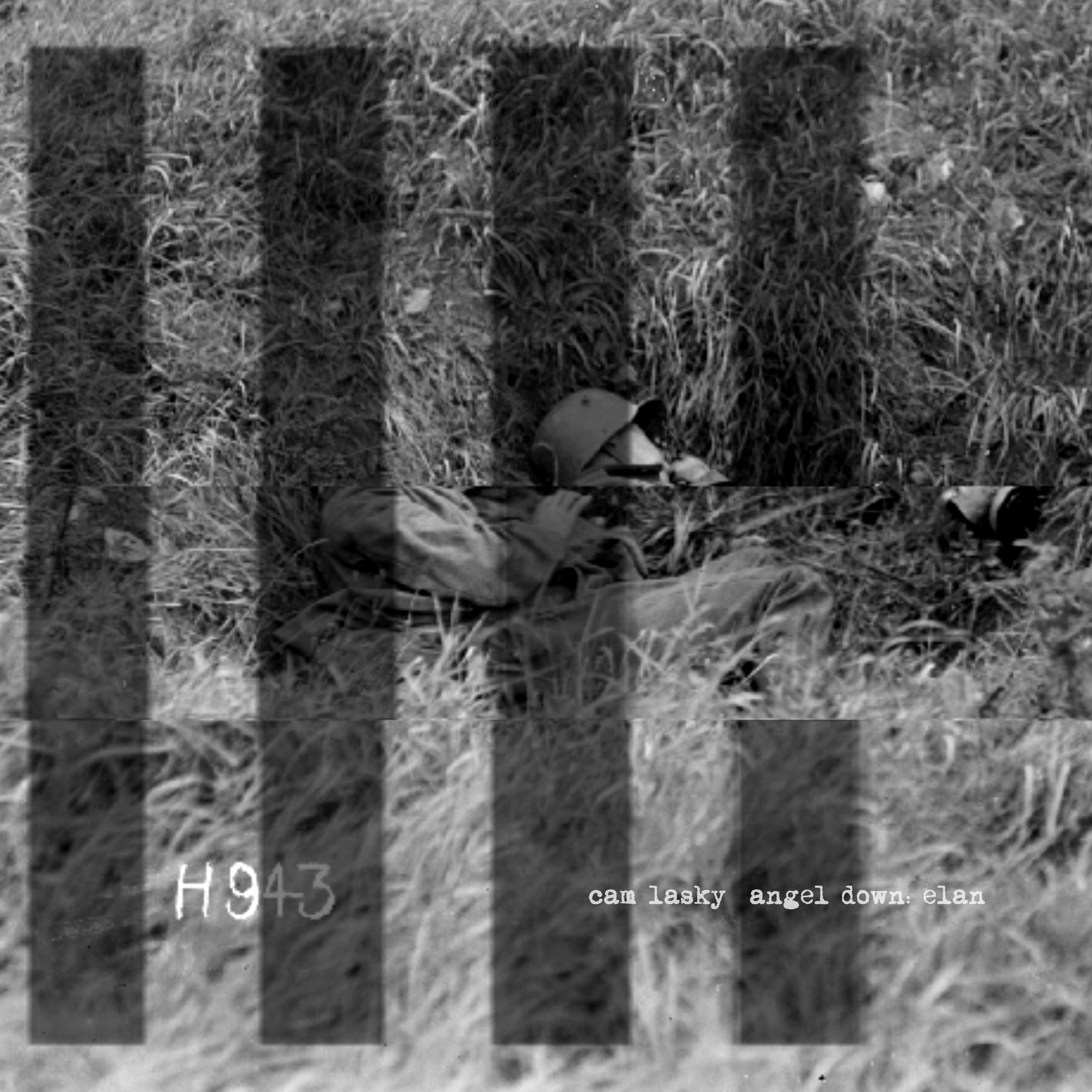
Installation No. 2 · External Tech Noir
The work in which FSS was named. Archival war footage is fractured into black and steel; soldiers' bodies and the direction of the march return through the fragments, and red appears only as a wound.
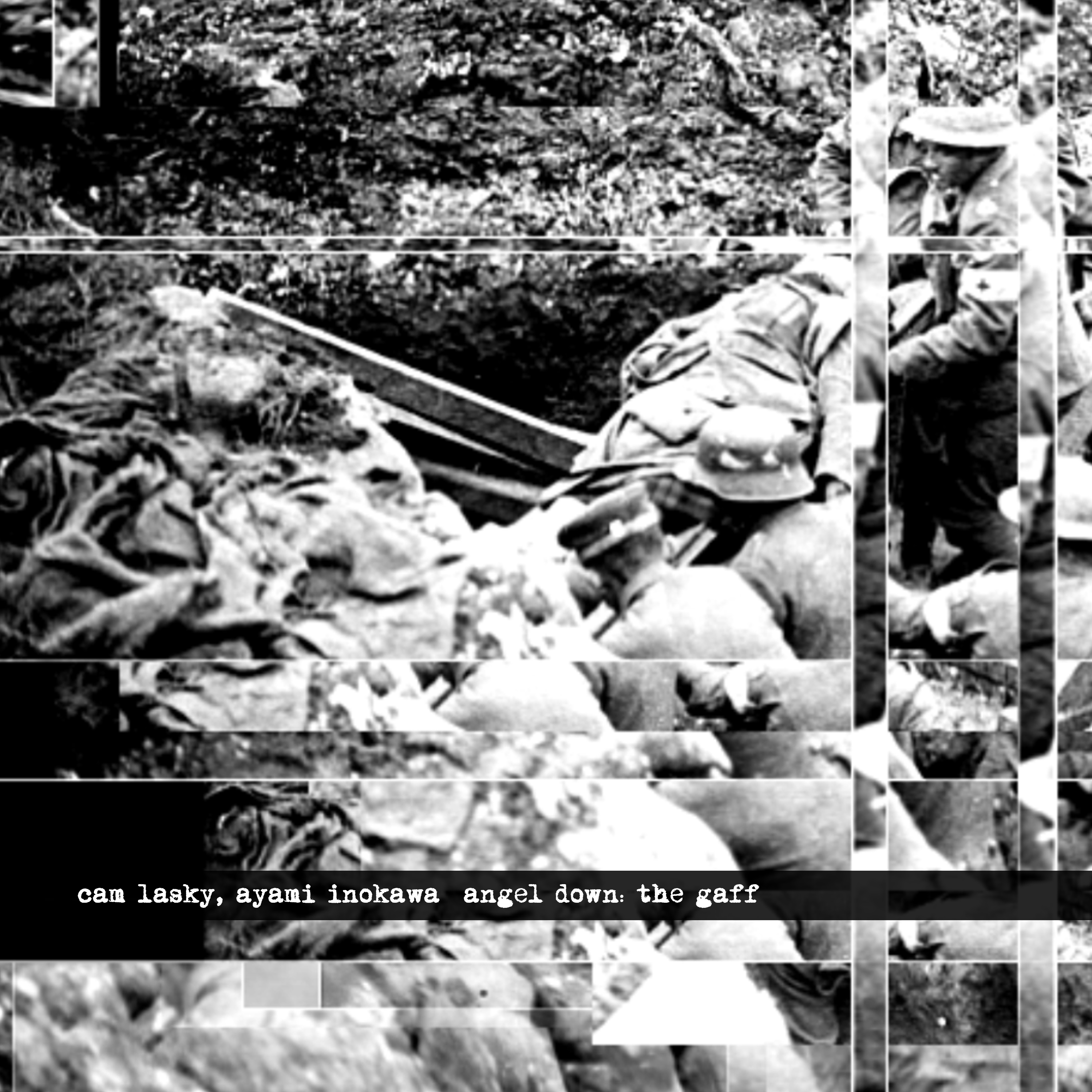
Installation No. 2 · Second Movement
Cam Lasky, Ayami Inokawa
Recursive depth, rectangular division, extraction frames, and beat-driven deformation reopen historical photographs through sound. Ayami Inokawa's breath and saxophone bring a living body into the same field.
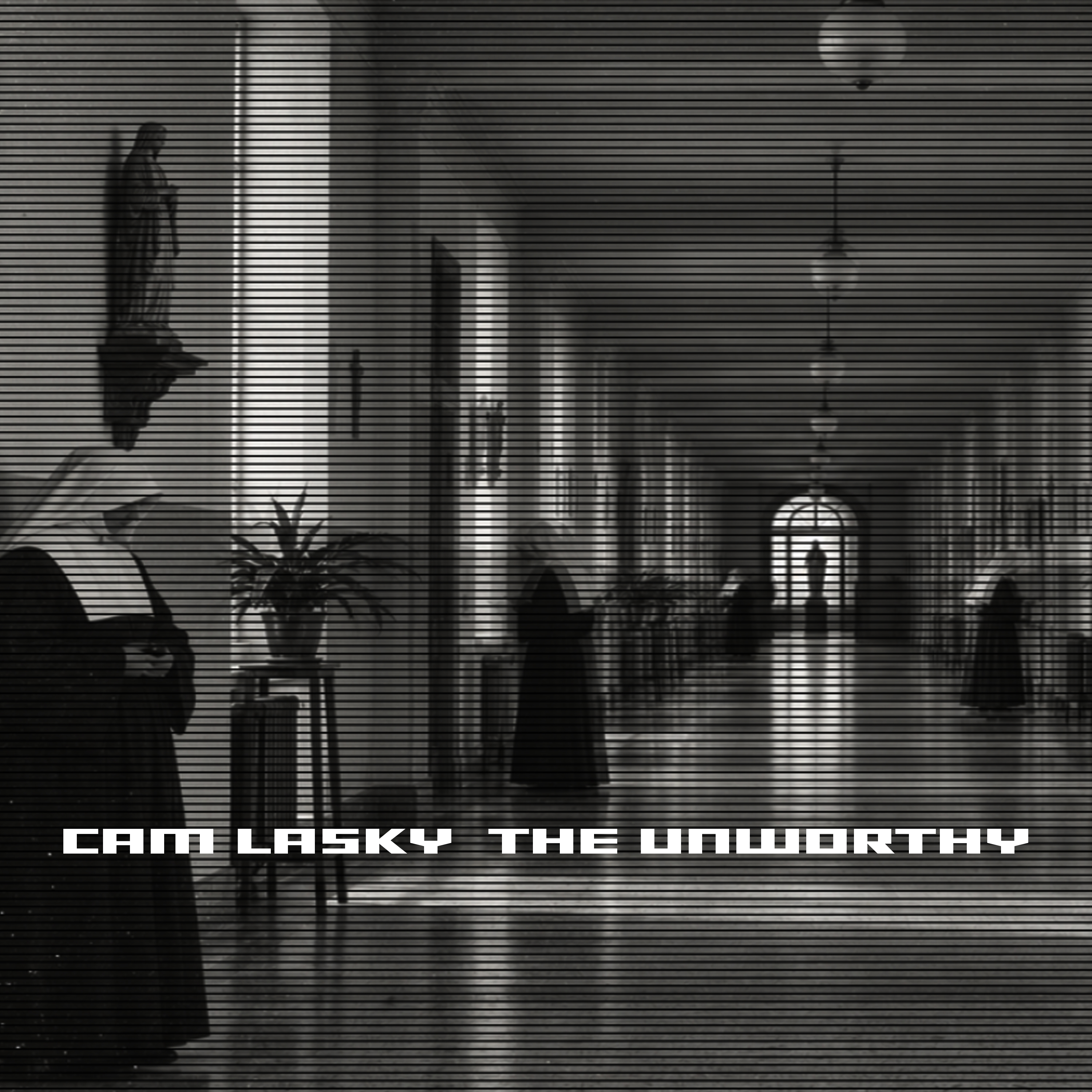
Installation No. 3 · Quiet Tech Noir
FSS turns inward. Below the threshold of spectacle, the photograph survives as a disciplined, fragmented, and resistant body.
Installation No. 3 · Work in Progress
Public-domain and museum photographs of religious life become the source bodies. Each track begins from a different photograph and a different approach.
The photograph is drawn into a field of particles that moves with the sound.
Source photograph: Three nuns at Providence Hospital, Seattle
Photographer: Asahel Curtis
Via Wikimedia Commons (Public Domain)
The photograph itself becomes particles and collapses in about a third of a second, its forms passing from organism to smoke.
Source photograph: Nuns at Mass
Photographer: Amedor
Via the J. Paul Getty Museum
The emotional centre of the EP, built at lower pressure and higher sensory density.
Source photograph: [Nuns clamming on Long Island], 1957
Photographer: Toni Frissell
Via the Library of Congress
The Essence
Destroy the image.
But do not allow the image to forget.
Frequently Asked Questions
A sound-driven method developed by Cam Lasky. It fractures the memory structure of photographs and footage through sound, body, movement, and time, without fully erasing the figures they contain.
Cam Lasky, for KWAIOTO. It was named on 5 August 2026, during the production of ANGEL DOWN: ELAN, and developed in dialogue with ECHO; later works continue it with DIVER300.
Glitch treats disruption as a surface. In FSS, abstraction cannot erase figuration completely, and what returns turns black into concealment and red into a wound.
Jakob von Uexküll's Umwelt: the world of time and space each living being perceives through its own senses. Not "environment".
No. Every work receives its own source images and its own approach. FSS is a method of thinking within Sonic Architecture.
Further Reading
The mutable spatial practice in which FSS operates.
Enter Sonic Architecture →The philosophy behind External and Quiet Tech Noir.
Read the Tech Noir Manifest →Repetition, degradation, archive, and technological residue as forms of memory.
Read KWAIOTO Concept →Artist and founder of KWAIOTO, developer of Sonic Architecture and Fragments Shift System.
Artist profile →