
KWAIOTO CONCEPT
Before Tech Noir,
there was Tokyo Noir.
MEMORY INDEX / TOKYO ARCHIVE SYSTEM
NODE ID: GINZA-1978-01
Temporal distortion detected. This structure persists across reconstruction layers.
NODE ID: GINZA-1978-02
Commercial memory fragment. Classified as persistent civilian architecture.
NODE ID: GINZA-1978-03
Paper-based memory medium detected. Signal stability low.
All data reconstructed from postwar sensory remnants.
Tokyo Noir is not a genre.
It is not nostalgia.
It is not history.
It is a memory.
A memory of a city built upon ruins.
I grew up in Ginza.
Not the Ginza of luxury brands. Not neon. Not postcards.
Another Ginza.
Bomb-scarred buildings still stood behind the main avenue.
Charred wood. Ash. Melted glass.
The city smelled faintly of smoke.
I never experienced the war. Yet I grew up inside its residue.
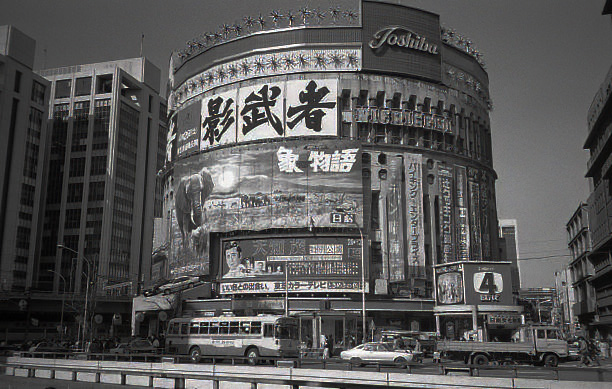
MEMORY NODE
The Nichigeki Theatre.
Taimei Elementary School.
San-ai Dream Center Building.
The Ginza Wako.
Mitsukoshi Department Store Ginza.
Beer Hall Lion Ginza.